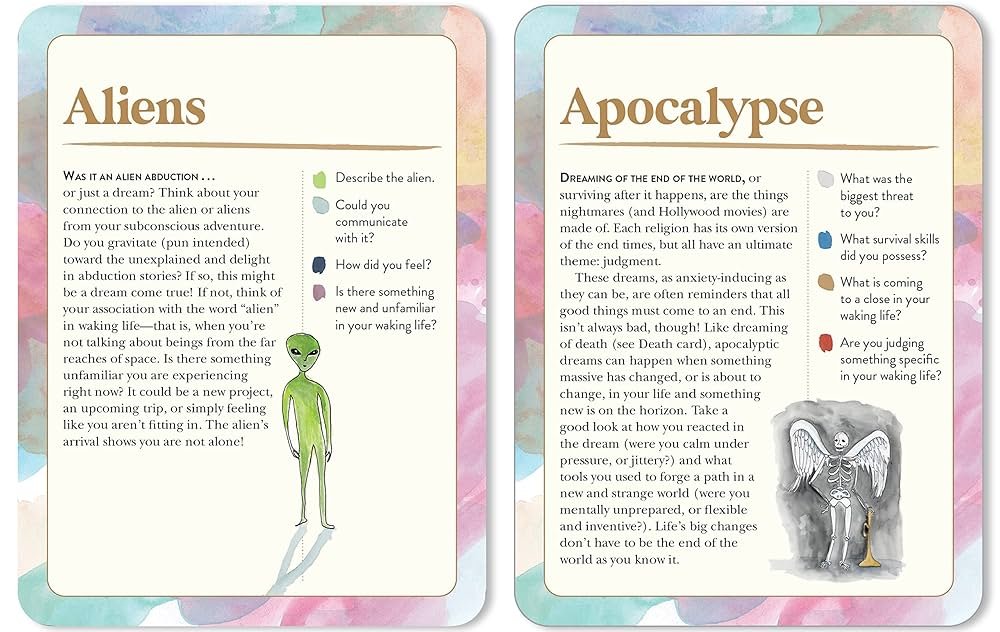
Ever wake up with a jolt, the image of a snake slithering through your mind, or perhaps you're perpetually late for an exam in your dreamscape? These aren't random occurrences; they’re dream symbols, and understanding them can unlock a surprising amount about your inner world.
At a glance:
- Discover how to identify and record key dream symbols.
- Learn common dream symbols and their interpretations across cultures.
- Understand the role of personal context in dream symbol analysis.
- Debunk common misconceptions about dream interpretation.
- Develop a practical approach to understanding your recurring dream images.
Why Understanding Your Dream Symbols Matters
Dreams aren't just bizarre nightly movies; they're a conversation with your subconscious. The images and scenarios that play out—your dream symbols—offer clues to unresolved issues, hidden desires, and even your fears. Ignoring them is like ignoring a persistent notification from your own mind. For instance, repeatedly dreaming of being chased might point to avoidance of a difficult situation in your waking life.
Deciphering the Language of Your Subconscious: A Step-by-Step Guide
So, how do you translate these symbolic messages? It's a process that combines objective resources with subjective reflection.
- Capture the Details: Keep a dream journal. The moment you wake up, jot down everything you remember, no matter how fragmented. Include emotions, colors, and any sensory details.
- Pinpoint the Key Players: Identify the most vivid and recurring images. These are your primary dream symbols. Did a specific animal stand out? Was there a particular location that felt significant?
- Consult Reliable Resources: Use a dream dictionary as a starting point. Remember that these resources provide potential interpretations, not definitive answers.
- Consider Your Personal Context: This is where the real interpretation begins. How do you feel about the symbol? A snake might represent danger to one person, but transformation to another. Think about recent events or relationships that might be connected.
- Trust Your Gut: If an interpretation doesn't resonate, discard it. Your intuition is a powerful tool.
- Look for Patterns: Recurring dreams or symbols suggest unresolved issues or persistent themes in your life.
- Don't Overthink It: Sometimes a dream is just a dream. Not every symbol needs to be dissected.
Common Dream Symbols and Their Hidden Meanings
While personal context is key, it's helpful to know some generally accepted interpretations. Here are a few examples:
| Dream Symbol | Possible Interpretations |
|---|---|
| Water | Emotions, the subconscious, creativity, feeling overwhelmed. |
| Teeth Falling Out | Fear of change, insecurity, communication problems, aging anxieties. |
| Being Chased | Avoidance of a problem, feeling overwhelmed, anxiety. |
| Flying | Freedom, overcoming obstacles, a desire for escape. |
| Houses | Represent aspects of yourself. Different rooms can symbolize different facets of your personality. |
| Vehicles (Cars) | Control, direction in life, or feeling out of control. |
The Importance of Personal Associations
Remember, dream interpretation is deeply personal. A "dream dictionary" can offer suggestions, but it's your own associations that truly unlock the meaning. For example:
- Case Snippet: Imagine someone dreams repeatedly of spiders. A dream dictionary might suggest spiders represent fears or feeling trapped. However, if the dreamer's grandmother was a passionate arachnologist who instilled a love of spiders, the symbol could represent curiosity, knowledge, or even a connection to their heritage.
Dream Symbol Interpretation: Practical Playbook
Ready to put this into practice? Here's a step-by-step approach:
- Start a Dream Journal: Keep it simple. Even a few bullet points are better than nothing.
- Identify the Emotion: What was the strongest feeling in the dream? Fear? Joy? Anxiety? This provides a crucial anchor.
- List the Key Symbols: Pick 3-5 of the most prominent images or events.
- Brainstorm Associations: For each symbol, write down everything that comes to mind, without judgment.
- Connect the Dots: Look for connections between the symbols, the emotion, and your current life.
- Reflect and Revise: Don't expect immediate answers. Revisit your interpretations over time.
To delve deeper into the world of dream analysis, consider exploring resources that provide a broader context. Interpret your dreams now and learn how to use your dreams for personal growth.
Navigating the Pitfalls of Dream Symbol Analysis
Dream interpretation isn't always straightforward. Here are a few common traps to avoid:
- Over-reliance on Dream Dictionaries: Use them as a guide, not a gospel.
- Ignoring Your Emotions: Your feelings are the compass guiding you to the true meaning.
- Forcing Interpretations: If it doesn't feel right, it probably isn't.
- Attributing Meaning to Everything: Sometimes, a dream is just your brain processing the day's events.
- Self-Criticism: Dreams can reveal uncomfortable truths. Be kind to yourself.
Quick Answers to Common Questions
- Are all dreams symbolic? Not necessarily. Some dreams are simply reflections of your day or random brain activity. But recurring dreams or vivid images often hold symbolic weight.
- Can my cultural background influence dream symbols? Absolutely. Cultural narratives and traditions can significantly shape the meaning of certain symbols. For example, the symbolism of a white dress may vary between cultures.
- What if I don't remember my dreams? Practice dream recall techniques, such as setting an intention before sleep and keeping a dream journal.
- Is it dangerous to interpret dreams? No, but it's important to approach interpretation with a balanced perspective. If a dream is deeply disturbing, consider seeking guidance from a therapist.
- How long does it take to become proficient at dream interpretation? It's an ongoing process. The more you practice and reflect, the better you'll become at understanding your own unique dream language.
- Should I share my dreams with others? Sharing your dreams can provide valuable insights, but choose someone you trust and who will be supportive.
Embrace the Mystery, Unlock Your Potential
Interpreting your dream symbols is a journey of self-discovery. It's about tuning into the subtle whispers of your subconscious and understanding the unique language it uses to communicate with you. It's not about finding definitive answers, but about asking the right questions and exploring the depths of your inner world. Start small, be patient, and trust your intuition. Your dreams are waiting to be understood.