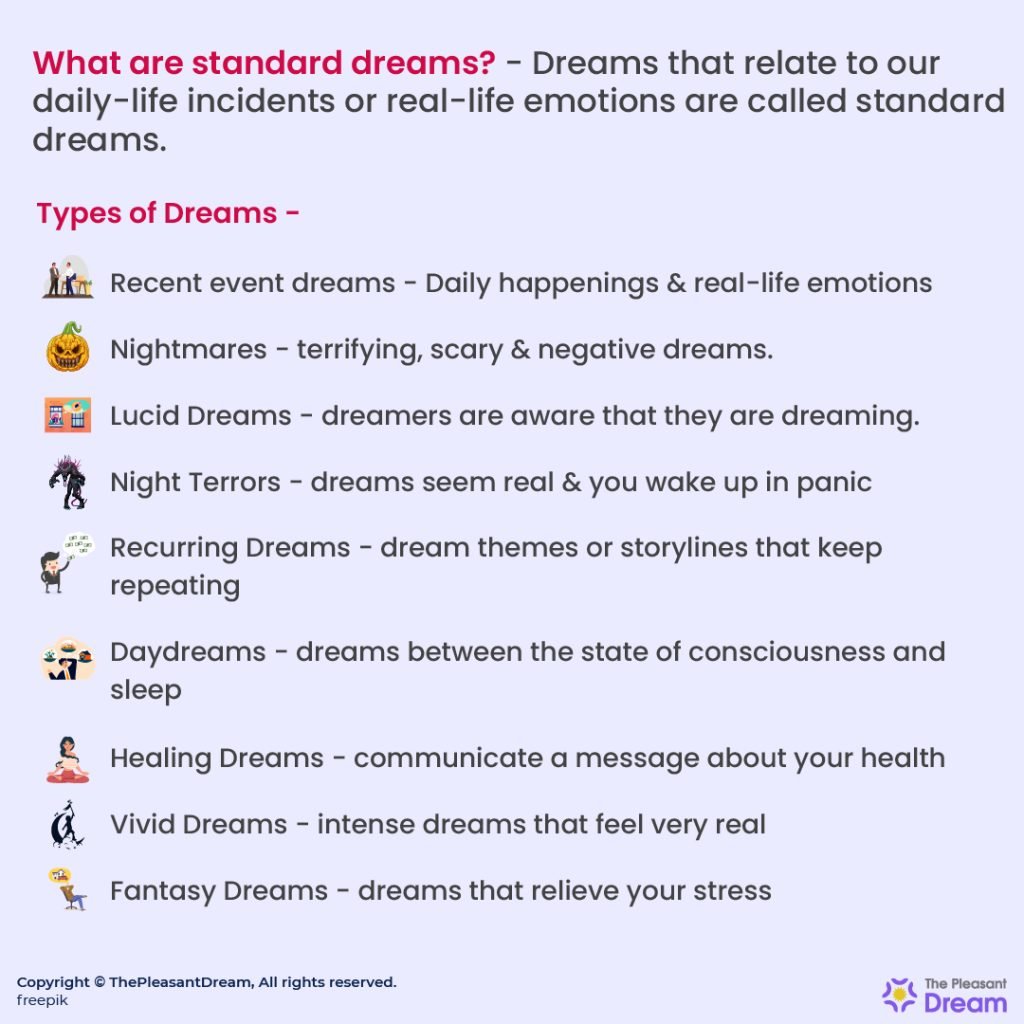
For the bigger picture and full context, make sure you read our main guide on Unlock The Secrets: A Guide To Dream Interpretation.
Ever wake up from a bizarre dream, wondering if it held a secret message just for you? Understanding your dreams explained AZ can feel like cracking a code to your innermost thoughts and feelings. It’s not about predicting the future (necessarily!), but about understanding yourself.
At a glance:
- Learn how dream timing and frequency can influence interpretation.
- Identify common dream themes and their potential meanings.
- Discover practical techniques for recording and analyzing your dreams.
- Understand the difference between prophetic and subconscious dreams.
- Apply a step-by-step guide to interpret your unique dream symbols.
Why Understanding Dreams Matters
Dreams are more than just random images flashing through your mind. Scientific studies show you dream every night, typically 3 to 9 times. They're a playground for your subconscious, a space where anxieties, hopes, and unresolved issues can surface. By learning how to interpret key dream symbols, you unlock a deeper understanding of your inner self. This understanding leads to increased self-awareness and can even help you address personal challenges.
Is It Just a Dream, or Something More? Determining Prophetic Potential
Not all dreams are created equal. Before diving into dream interpretation, it's crucial to determine if your dream is potentially prophetic or simply a reflection of your daily life. Here's a quick guide:
- Timing is Key: Dreams occurring during the deepest part of your sleep (2:00 AM - 7:00 AM) are often considered more significant.
- Frequency Matters: Recurring dreams, especially those that appear only two or three times, should be given serious consideration. Persistent dreams are frequently tied to physical or psychological factors.
- Emotional Intensity: Vivid and clear dreams are generally more important than hazy or fragmented ones. The most vividly recalled feature is usually the most significant symbol.
Example: Imagine you have a recurring dream of being chased by a shadowy figure. If this dream occurs frequently and is accompanied by intense fear, it may indicate underlying anxiety or unresolved conflict in your waking life. If, however, the dream only occurs twice and feels less intense, it could be a warning about a specific situation.
Decoding the Language of Dreams: Common Themes and Symbols
Dreams often speak in symbols, and acquiring the ability to interpret them is a powerful tool. While dream interpretation is highly personal, some common themes and symbols have generally accepted meanings.
| Symbol | Possible Meaning |
|---|---|
| Falling | Feeling out of control, insecure, or overwhelmed. |
| Being Chased | Avoiding a problem, feeling threatened, or running from responsibilities. |
| Flying | Freedom, success, or a sense of overcoming obstacles. |
| Water | Emotions; calm water may represent inner peace, while turbulent water could signify emotional turmoil. |
| Teeth Falling Out | Insecurity, anxiety about appearance, or problems with communication. |
| It's crucial to remember that the meaning of a symbol can vary depending on your personal experiences and associations. For instance, if you associate water with a relaxing vacation, it might represent positive emotions in your dream. |
Observer vs. Participant: Understanding Your Role in the Dream
Your role in the dream can also provide valuable insights. Are you merely observing the events unfolding, or are you actively participating?
- Observer: If you're observing, the dream may be a warning about a situation or person.
- Participant: If you're participating, the dream likely contains a personal message related to your own thoughts, feelings, or actions.
Example: If you dream about watching a car accident, it might be a warning about a potential danger you're overlooking in your waking life. However, if you're driving the car that crashes, it could represent a self-destructive behavior or a need to take responsibility for your actions.
Timing is Everything: Dream Timing and Predictive Value
Certain days of the week are traditionally associated with different levels of predictive value for dreams. Here’s a breakdown:
- Monday to Tuesday: Least likely to be prophetic; often reflections of daily thoughts.
- Tuesday to Wednesday: May have some predictive value; could indicate events within a fortnight.
- Wednesday to Thursday: Focus on your inner world; revealing personality and state of mind.
- Thursday to Friday: Often seen as prophetic; may come true within three years.
- Friday to Saturday: Romance-related; hints at connections with people in your life.
- Saturday to Sunday: Most likely to come true by midday; carries messages about immediate events.
It's important to take these associations with a grain of salt. While some people find them helpful, the most important factor is your own intuition and personal connection to the dream.
The Physical World’s Impact on Your Dream World
External stimuli and physical conditions can significantly influence your dreams. Be mindful of these factors when interpreting your dreams:
- Physical/External Causes: Overeating, alcohol consumption, or going to bed hungry can trigger specific types of dreams.
- Environmental Noises: Traffic, construction, or loud music can seep into your dreams and manifest as symbolic representations.
- Emotional and External Influences: Grief, fear, illness, or disturbing media can all shape your dream content.
Example: If you watch a scary movie before bed, you might have frightening dreams that are simply a result of the external influence, rather than a deep subconscious message.
Practical Playbook: A Step-by-Step Guide to Dreams Explained AZ
Ready to start interpreting your dreams? Here’s a structured approach:
- Record Your Dream: As soon as you wake up, write down as much detail as you can remember. Don't censor yourself; include everything, even if it seems insignificant. Use a dream journal.
- Identify Key Symbols: What are the most vivid or memorable images, people, places, or objects in your dream?
- Explore Personal Associations: What do these symbols mean to you? Consider your personal experiences, memories, and emotions associated with each symbol.
- Determine Your Role: Were you an observer or a participant?
- Identify the Dominant Emotion: What was the strongest emotion you felt in the dream? Fear, joy, sadness, anger?
- Consider the Context: Think about what's happening in your life right now. Are there any stresses, challenges, or opportunities that might be related to your dream?
- Look for Patterns: Do you have recurring dreams or symbols? These patterns can reveal underlying issues or themes in your life.
- Trust Your Intuition: Ultimately, the interpretation of your dreams is up to you. Trust your gut feeling about what the dream means.
Decision Tree: - Dream Recalled? Yes -> Note details, emotions. No -> End.
- Key Symbols Identified? Yes -> Proceed. No -> Try to recall more; note dominant feeling.
- Personal Associations Clear? Yes -> Interpret based on associations. No -> Research symbolism; consider context.
- Role Defined (Observer/Participant)? Yes -> Refine interpretation. No -> Consider both perspectives.
- Interpretation Resonates? Yes -> Apply insights. No -> Revisit steps 2-4; consider different perspectives.
Quick Answers: Common Questions and Misconceptions
- "Are all dreams symbolic?" Not necessarily. Some dreams are simply reflections of your daily experiences. However, paying attention to the most vivid elements can still provide insights into your subconscious.
- "Can dreams predict the future?" While some people believe in precognitive dreams, there's no scientific evidence to support this claim. However, dreams can sometimes provide insights into potential outcomes based on your current actions and circumstances.
- "What if I don't remember my dreams?" Keep a dream journal by your bed and make a conscious effort to remember your dreams as soon as you wake up. Even fragments of dreams can be significant. You might find Interpret your dreams now.
- "Is dream interpretation a pseudoscience?" While not a hard science, dream interpretation can be a valuable tool for self-exploration and personal growth. Many therapists use dream analysis to help clients gain insight into their unconscious thoughts and feelings.
- "Can I use a dream dictionary to interpret my dreams?" Dream dictionaries can be helpful as a starting point, but it's important to remember that dream interpretation is highly personal. Your own associations and experiences are the most important factors to consider.
- "What if my dream is just weird and makes no sense?" Even nonsensical dreams can reveal underlying anxieties or unresolved issues. Focus on the emotions you felt during the dream and try to identify any recurring themes or symbols.
Actionable Close: From Dream to Reality
Understanding your dreams explained AZ is an ongoing process, not a one-time event. By consistently recording and analyzing your dreams, you'll develop a deeper understanding of your inner self and gain valuable insights into your life. Don't be afraid to experiment with different interpretation techniques and trust your intuition. The more you practice, the better you'll become at decoding the language of your subconscious. Start tonight by keeping a dream journal by your bedside and recording any dreams you remember in the morning. Your journey to self-discovery begins with a single dream.