Ever wake up from a bizarre dream and wonder if it's just random noise, or a hidden message from your subconscious? Understanding how to know what your dream means isn't about cracking a secret code; it's about learning to speak the language of your own mind.
At a glance:
- Learn to capture your dreams and spot recurring patterns.
- Uncover the personal meaning behind dream symbols and emotions.
- Connect your dream themes to your waking life stressors and desires.
- Use dream interpretation as a tool for self-reflection and personal growth.
- Know when to seek professional help for disturbing or persistent dreams.
Deciphering Your Dream Language: It Starts With a Journal
The first step in learning how to know what your dream means is consistently recording them. The moment you wake up, grab a notebook and jot down everything you remember—even the seemingly insignificant details. Don't filter; just record.
- Why this matters: Our memories of dreams fade quickly. Capturing details immediately is crucial for later analysis.
- What to note:
- Emotions: How did you feel during the dream?
- People: Who was there, and what's your relationship with them?
- Settings: Where did the dream take place? Familiar or unfamiliar?
- Objects: Any striking objects or symbols?
- Actions: What happened in the dream? What did you do?
- Pro Tip: Give each dream a title. Often, the first word or phrase that comes to mind after waking up can be very telling.
The Power of Symbolism: What Does That Even Mean?
Dreams speak in symbols. A car might not just be a car; it could represent your journey in life or your career path. The key is to understand what these symbols mean to you.
- Personal Associations: A spider might represent fear for some, but creativity for someone else. What's your personal connection to the symbols in your dream?
- Universal Archetypes: While personal meaning is paramount, some symbols have common associations (water often relates to emotions, for example).
- Example: Dreaming of a house? Consider what different parts of the house might represent. The basement could symbolize your subconscious, the attic your intellect, and the living room your social self.
- Action: List the key symbols in your dream and brainstorm all possible meanings, both personal and universal. Don't censor yourself; write down everything that comes to mind.
Emotions Are Your Compass: Feeling Your Way Through The Dream
Emotions experienced during a dream are a direct line to your subconscious. They often reflect unresolved feelings or anxieties from waking life.
- Identify the Dominant Emotions: Were you afraid, anxious, happy, sad, or angry? Pinpointing the primary emotion is crucial.
- Connect Emotions to Life Events: This is where your dream journal becomes invaluable. Look for correlations between dream emotions and current situations in your life. Feeling anxious in a dream about public speaking? Perhaps you have a presentation coming up at work.
- Example: A dream where you’re constantly running late and feeling overwhelmed might reflect real-life stress and the feeling of being stretched too thin.
- Pitfall: Don't dismiss seemingly "small" emotions. Even subtle feelings can hold important clues.
Setting the Scene: Why Location Matters
The setting of your dream is more than just a backdrop; it's often a reflection of your state of mind or a specific aspect of your life.
- Familiar vs. Unfamiliar: Is the dream set in a place you know well, or somewhere completely foreign? Familiar places often relate to memories or past experiences.
- Mood of the Setting: Is the location bright and cheerful, or dark and foreboding? The overall atmosphere provides valuable context.
- Personal Associations: What feelings do you associate with the specific location? Did you hate your childhood bedroom? Does your office feel suffocating?
- Example: Dreaming of being lost in a dense forest could symbolize feeling lost or confused in your current life path.
Characters and Critters: Who (or What) Shows Up?
The people and animals in your dreams often represent aspects of yourself, or qualities you associate with them.
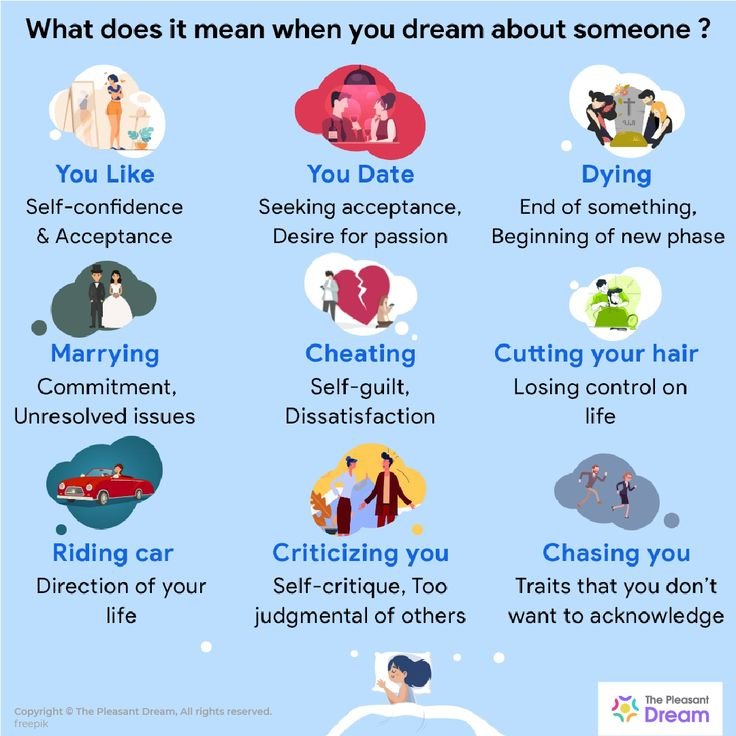
- People as Projections: A dream about your boss might not literally be about your boss. Instead, they could represent authority, control, or pressure.
- Animals and Instincts: Animals often embody primal instincts or specific personality traits. A dream featuring a lion might represent courage or aggression, while a dove could symbolize peace or gentleness.
- Your Relationship Matters: Consider your relationship with the people and animals in your dream. Are you close to them? Do you admire or fear them?
- Example: Dreaming of arguing with your sibling might reflect an internal conflict between different aspects of your personality.
- Remember: People in your dreams are often representative of you.
Finding the Thread: Uncovering Recurring Themes
Recurring dreams aren't just random replays; they're often signals that your subconscious is trying to get your attention about something important.
- Pay Attention to Repetition: Do you frequently dream about falling, being chased, or losing your teeth? Recurring themes are worth investigating.
- Unresolved Issues: Recurring dreams often point to unresolved conflicts, anxieties, or traumas.
- The Message is Amplified: Think of recurring dreams as your brain turning up the volume on a particular message.
- Example: Consistently dreaming about failing an exam might indicate persistent feelings of inadequacy or self-doubt.
Interpret your dreams here to understand your dreams further.
Assembling the Puzzle: Putting It All Together
Once you've analyzed the individual elements of your dream, it's time to synthesize your findings and create a coherent interpretation.
- Holistic View: How do all the pieces fit together? What's the overall narrative of the dream?
- Personal Relevance: How does the dream relate to your current life circumstances, emotions, and goals?
- No Single "Right" Answer: Dream interpretation is subjective. There's no one-size-fits-all answer.
- Trust Your Intuition: Ultimately, the most meaningful interpretation is the one that resonates with you on a deep, emotional level.
- Reality Check: Dreams can be a great tool for self discovery by understanding our subconscious mind, but if you are experiencing physical or psychological problems, or if you are distressed, consult a medical professional.
Practical Playbook: Dream Interpretation in Action
Here's a step-by-step guide to putting these principles into practice:
- Record: Keep a dream journal and diligently record your dreams upon waking. Include all details, emotions, and symbols.
- Identify: Choose one dream to analyze. Identify the key symbols, emotions, characters, and settings.
- Brainstorm: For each element, brainstorm all possible meanings and associations, both personal and universal.
- Connect: Connect the dream elements to your current life circumstances, emotions, and goals.
- Interpret: Synthesize your findings and formulate a coherent interpretation of the dream.
- Reflect: Reflect on the interpretation and consider what actions or insights it suggests.
Example:
Let's say you dream of being chased by a shadowy figure through your old high school. You feel terrified and overwhelmed.
- Symbols: Shadowy figure (fear, unknown), high school (past, adolescence)
- Emotions: Fear, overwhelm
- Possible Interpretations: This dream might suggest that you're being chased by unresolved issues from your past. The fear and overwhelm could represent anxiety about facing these issues. Perhaps you're avoiding something important that needs to be addressed.
Quick Answers: Common Questions About Dream Meaning
Q: Are dream dictionaries accurate?
A: Dream dictionaries can be a starting point, but they should be used with caution. Personal interpretation is far more important than relying on generic definitions. A dictionary may offer a broad suggestion, but your own experience with symbols is key.
Q: Can dreams predict the future?
A: Dreams are generally considered reflections of your subconscious mind, rather than predictions of future events. They can, however, highlight potential outcomes based on your current actions and beliefs.
Q: What if I don't remember my dreams?
A: Not everyone remembers their dreams vividly. Try setting the intention to remember your dreams before going to sleep. Keep a dream journal by your bed and record anything, even fragments, that you recall upon waking.
Q: Are nightmares always bad?
A: Nightmares can be unsettling, but they often serve a purpose. They can help you process negative emotions, confront fears, or identify potential dangers. Nightmares may shock you into making changes or taking action when interpreting their meanings.
Q: When should I seek professional help?
A: If you're experiencing consistently disturbing dreams, nightmares that interfere with your sleep, or if you feel overwhelmed by your dreams, consider seeking help from a therapist or dream analyst.
Takeaway: Your Dreams, Your Story
Learning how to know what your dream means is a journey of self-discovery. It's about learning to listen to your inner voice, exploring your subconscious mind, and uncovering hidden truths about yourself. Don't be afraid to experiment, explore, and trust your intuition – your dreams are waiting to tell you their story. Start your dream journal tonight.